
Understanding Rosette Cataract: When an Eye Injury Leaves a "Floral" Imprint on Your Vision
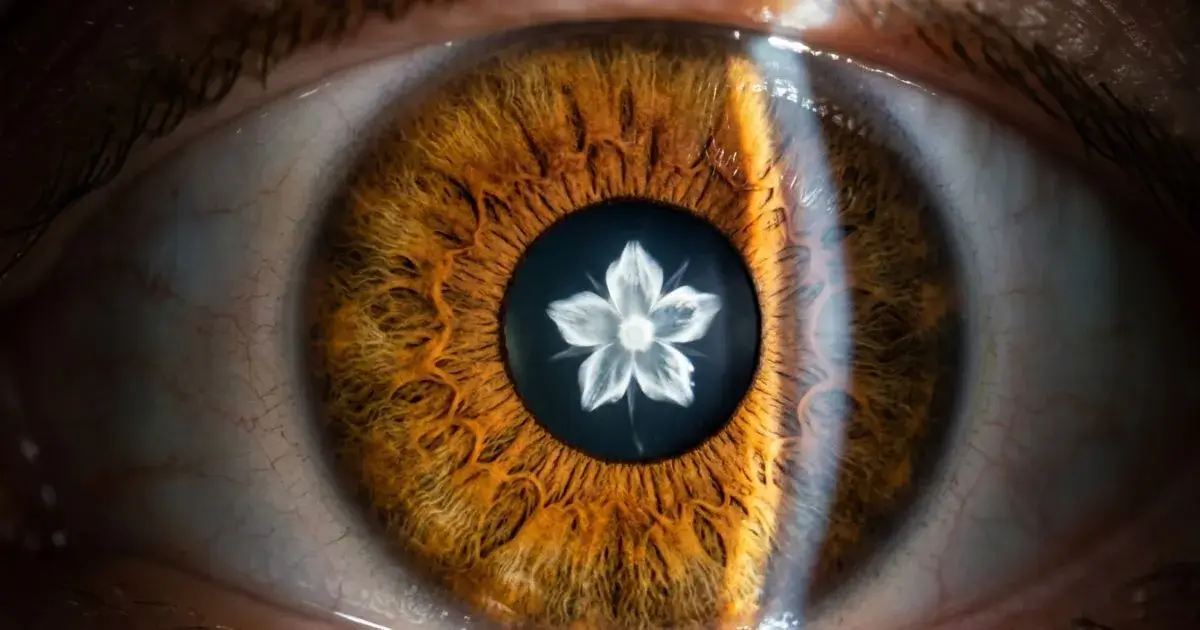
Have you ever heard of a flower-like cataract? Yes, you read that right. While the name might evoke the beauty of nature, the Rosette Cataract is an important vision disorder that is often associated with past experiences of eye trauma. While the normal cataract associated with aging occurs equally in the lens, the Rosette Cataract occurs in an unusual pattern.
While we treat many patients at The Eye Care Clinic in Vikas Nagar, Lucknow, with the complaint of finding a flower in the eye, which is associated with past experiences of sports injuries or accidents, here is everything you need to know about the condition.
What is a Rosette Cataract?
Rosette cataracts are a type of traumatic cataracts. They happen because of a cloudy lens in your eye. The lens gets cloudy in a rosette pattern. However, this pattern is not random. It follows the natural "suture lines" of your lens fibers. Sutures are the places where your lens fibers intersect during development.
Why Does it Happen?
Traumatic cataracts are usually caused by blunt trauma. When something hits your eye, such as a cricket ball, a fall, or even a car airbag, it can cause shockwaves in your eye. These shockwaves can cause your lens fibers to get cloudy in the rosette pattern.
Trauma is the #1 cause of rosette cataracts. However, rosette cataracts can sometimes happen because of:
- Electric shock or lightning injuries
- Radiation exposure (ionizing or infrared)
- Metabolic conditions like severe uncontrolled diabetes
What are the symptoms of rosette cataracts? Is Your Vision "Petal-Blurred"?
Rosette cataracts can sometimes cause vision problems. However, these vision problems are not usually immediate. Sometimes, you can go years without even realizing your vision is deteriorating.
Some of the most common symptoms of rosette cataracts include:
- Hazy or Blurred Vision: Your vision is not very clear. It is like looking through smudged glass.
- Sensitivity to Glare: If you are driving at night, lights can be unbearable.
- Halos: You can see glowing circles around lights.
- Monocular Double Vision: You can see ghost images or double images through one eye.
- Decreased Contrast: You can have trouble telling the difference between something and its background.
The Two Faces of Rosette Cataracts: Early vs. Late
Ophthalmologists categorize these cataracts based on when they appear after an injury:
- Early Rosette Cataracts: These appear hours, days, or weeks after the trauma. They usually look like feathery, thin lines along the star-shaped sutures of the lens.
- Late Rosette Cataracts: These are the "hidden" injuries. They can develop years after the initial accident. As the lens grows, the old injury gets "buried" deeper into the center of the lens, often appearing more compact and opaque than the early version.
Diagnosis and Treatment at The Eye Care Clinic
Because the outer eye often looks perfectly normal after blunt trauma, a professional exam is the only way to catch a rosette cataract.
How We Diagnose It
In our clinic in Lucknow, Dr. Astha Agrawal conducts a Slit-Lamp Examination, which helps us view the lens in high magnification. This helps us observe the characteristic petal-shaped opacities, which are pathognomonic of this condition. In complex cases, we may opt for Anterior Segment OCT to examine other hidden areas of trauma in the eyes.
Is It Reversible?
Unfortunately, the lens fibers cannot “clear up” once they have been damaged and made opaque. The only type of rosette cataract that can do this is the rare type associated with acute diabetes, provided that the diabetic condition is immediately controlled.
Surgical Treatment
For most patients, cataract surgery is the only path to clear vision. The most common procedure is Phacoemulsification. During this quick, outpatient surgery:
- Breaking the cloudy lens into tiny fragments using ultrasound
- Removing the fragments safely
- Implanting a clear artificial intraocular lens (IOL)
Why Choose The Eye Care Clinic?
Traumatic cataracts are often more complex than age-related cataracts. Proper evaluation is required to assess potential damage to the zonules (fibers supporting the lens).
At The Eye Care Clinic (Vikas Nagar, Lucknow), we provide personalized care with advanced technology. Our team, led by Dr. Astha Agrawal, brings over 12 years of experience in ophthalmic surgery.
Do you have a history of eye injury? Or are you noticing a strange "burst" or blur in your vision?
Don't wait for your vision to fade further. Early detection is the key to a successful recovery.
Contact us today to schedule your consultation:
Do you have a history of eye injury or notice unusual visual disturbances? Early diagnosis can prevent further vision loss.
- Address: 2/176, Sector 2, Kursi Road, Vikas Nagar, Lucknow
- Call/Enquire: +91 8400715572
- Website: drasthaeyecareclinic.com
Book Consultation
-
- Phone :
- Email :
- Address :
-
- +91 8400715572
- [email protected]
- Jaishankar Building, 2/176, opposite Shiv Murti, Sector 2, Vikas Nagar, Lucknow, Uttar Pradesh 226022